MODULAR COURSE: INTERCETIVE ORTHODONTICS

Malocclusion is a dysfunction that affects not only the permanent dentition, but also the stages before occlusal maturity. Strictly speaking, malocclusion established in the early stages of occlusal development, from the deciduous dentition onwards, is most often not corrected spontaneously. Therefore, preventive and interceptive orthodontics occupies a central place in eliminating or reducing the severity of various types of malocclusion and the mixed dentition is the main focus of action.
At this stage, which includes children between the ages of 5 and 12, the orthodontist has the ability to alter and shape the growth of the jaws and/or the eruption of permanent teeth, by fitting various types of appliance, in order to promote the greatest possible normalization of facial and occlusal development. At the same time, interdisciplinary work is regularly recommended in order to correct alterations in orofacial motricity with intervention in the different oral functions, such as chewing, breathing, swallowing and phonation.
This course will discuss the most frequently encountered orthodontic problems in the early stages, such as crossbites, open bites, dento-maxillary discrepancies, class II and class III malocclusion, among others, as well as the therapeutic options of choice based on current clinical and scientific evidence.

PROGRAM


Theoretical Component

  • Clinical relevance of craniofacial growth.
  • Development of occlusion in deciduous and permanent dentition.
  • Etiology of malocclusion.
  • Diagnostic elements in Interceptive Orthodontics.
  • Static and dynamic clinical examination.
  • Functional examination: chewing, breathing, swallowing, speech and habits.
  • Therapeutic intervention in orofacial myofunctional disorders: assumptions, bases and methodologies.
  • Space management in mixed dentition.
  • Treatment of posterior crossbite.
  • Treatment of anterior open bite.
  • Treatment of skeletal and dental class III malocclusion. Treatment of skeletal and dental class II malocclusion.
  • Eruptive changes in permanent canines: a clinical approach.
  • Dental anomalies: transpositions, agenesis, ankylosis, changes in shape.

Practical Component

  • Handling removable and fixed orthodontic appliances: space maintainers, expanders, extra-oral traction (facial arch), facial mask, activator, lip bumper, palatal bar, among others.

Students can take duly documented cases to discuss diagnosis and treatment plans for clinical cases.

Material needed for the course to be brought by the student: 

–

Notes: 

Minimum number of trainees for the course: 10

Failure to attend one or more modules does not entitle you to a refund or a final diploma.
Registration closes 15 days before the course date.
If the minimum number of participants is not met, the date of the course may be changed.


  • Módulo I – 21, 22 e 23 de Janeiro 2027
  • Módulo II – 4, 5 e 6 de Março de 2027
  • 40 hours 
  • 5ª/6ª : 9h00 - 13h00 | 14h30 - 18h30
  • Saturday: 9h00 - 13h00

(lunches and coffee-breaks included at OrisEducare facilities)

  • Coimbra
  • Dentists
  • Total: 2000€ (VAT exempt)

Payment method: 

Registration and 1st Module: 1000€

2nd Module: 1000€

*includes 6-month Nemoceph license

  • 926 964 301 (call to national mobile network)
  • oriseducare@orisclinic.com

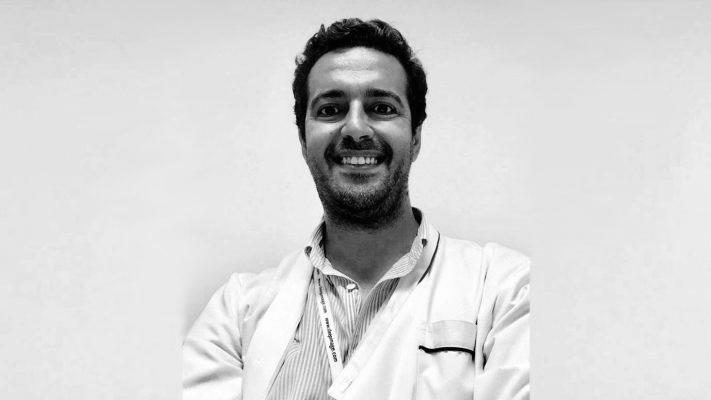
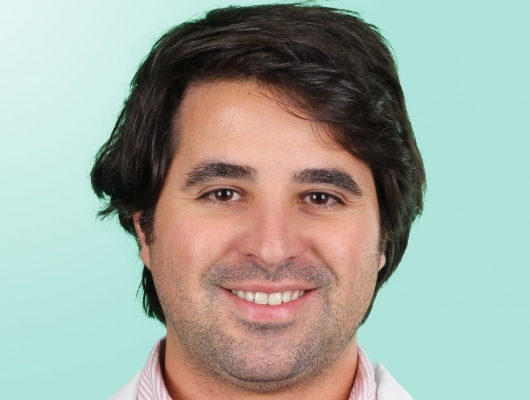
Training Team

Partnerships & support

bexident
en_US