

MODULAR PHYSIOTHERAPY COURSE ON TMD: FROM ASSESSMENT TO TREATMENT
Temporomandibular disorders (TMD) as a clinical diagnosis have more than 80 years of history. From the first moment this set of dysfunctions began to be studied, the intervention of different health professionals was assumed to be imperative for their treatment. According to the guidelines of recognized international bodies such as the American Academy of Orofacial Pain (AAOP) and the International Association for the Study of Pain (IASP), it is obvious that the first line of action is based on conservative treatments, including physiotherapy, occlusal devices and physical self-regulation. Thus, teams made up of physiotherapists and dentists are responsible for a large part of the treatment of patients with Temporomandibular Dysfunction.
In this course we will have a faculty made up of Physiotherapists and Dentists, with Physiotherapists having the opportunity to learn in depth how to master the assessment and treatment of these pathologies, but also to learn about the work of Dentists and the most correct methodology for interdisciplinary teamwork.
Finally, in order to better cement the knowledge they have acquired, trainees will finish their training with a clinical residency at Orisclinic where they will be able to see in real-life clinical practice how a team made up of a physiotherapist and a dentist works.
Module I
- Introduction to the Study of Orofacial Pain, Temporomandibular Dysfunctions, Bruxism. TMD: History, Etiology, Epidemiology.
- Classification of Temporomandibular Dysfunctions: types and different classifications.
- Signs and symptoms of stomatognathic system dysfunctions.
- Clinical history of the dysfunctional patient: Anamnesis.
- Physical examination of dysfunctional patients: joint examination, muscle examination.
- Auxiliary diagnostic tests: types, characteristics, utilities.
- Bruxism: definition, concept of muscular hyperactivity, epidemiology, etiology, types of bruxism, signs and symptoms, diagnosis and treatment.
- Treatment of Temporomandibular Dysfunctions and Orofacial Pain: from conservative to surgical treatment.
- The Occlusal Stabilization Gutter and the Anterior Repositioning Gutter.
- New Technologies, Gadgets and "Alternative Therapies" in Occlusion: a critical approach.
- Review of some approaches: Botulinum toxin, anesthetic blocks, viscosupplementation with hyaluronic acid
- TMD, Occlusion and Prosthetic/Orthodontic Rehabilitation Considerations.
- Review of surgical approaches: Arthrocentesis, Arthroscopy, Arthroplasty and Joint Prosthesis.
- Orthognathic surgery: TMD considerations and precautions.
- Multi and interdisciplinary team.
- Anatomy of the temporomandibular joint.
- Biomechanics of the temporomandibular joint.
- Physiotherapist's subjective examination.
- Physiotherapist's objective examination.
- Radiological examinations relevant to the physiotherapist's functional diagnosis.
- Comorbidities, aggravating and perpetuating factors (bruxism, tinnitus, headaches...) - assessment and intervention considerations.
Module II
- Review of the objective exam evaluation
- Specific TMJ treatment - Manual Therapy:
- 1. techniques aimed at the joint complex;
- 2. Techniques aimed at the muscular complex.
- Specific treatment of TMJ - Therapeutic Exercise:
- 1. techniques aimed at the joint complex;
- 2. Techniques aimed at the muscular complex.
- Other intervention strategies - motor re-education, behavioral modification, patient education
- Considerations on the approach to patients undergoing orthognathic surgery
- Introduction to physiotherapy for patients with obstructive sleep apnea.
Module III
- Cranio-cervico-mandibular relationship: state of the art
- Relevant anatomy of the cranio-cervico-mandibular complex
- Relevant biomechanics of the cranio-cervico-mandibular complex
- Cervical Pain Classification
- Headaches and their relationship with the cervical spine
- Subjective and objective examination of the cervical spine
- Review of the concept of referred pain: different paradigms
- Physiotherapy intervention in neck pain:
- manual therapy (muscle and joint),
- therapeutic exercise
- education
- Evidence of physiotherapy intervention strategies in the cervical spine
- Home program.
Clinical Residency
- One afternoon, 2 students
- Day to be agreed between trainers and trainees
Material needed for the course to be brought by the student:
–
Notes:
Minimum number of trainees for the course: 10
Failure to attend one or more modules does not entitle you to a refund or a final diploma.
Registration closes 15 days before the course date.
If the minimum number of participants is not met, the date of the course may be changed.
- Dates
- Módulo I – 24 e 25 de Outubro
- Módulo II – 14 e 15 de Novembro
- Módulo III – 05 e 06 de Dezembro
- Clinical residency to be agreed with trainees at a later date.
- Workload
- 54 hours (48h Training + 6h Clinical Residency)
- Schedule
- 9h00 – 13h00 | 14h30 – 18h30
(coffee-breaks included at OrisEducare facilities) - clinical residency - 14h00 to 20h00
- Location
- Coimbra
- Target audience
- Physiotherapists
- Value of Training
- Total: 1125€ (Isento de IVA)
Payment method:
Inscrição e 1.º módulo – 375€
2.º módulo – 375€
3.º módulo – 375€
- Contacts
- 926 964 301 (call to national mobile network)
- oriseducare@orisclinic.com

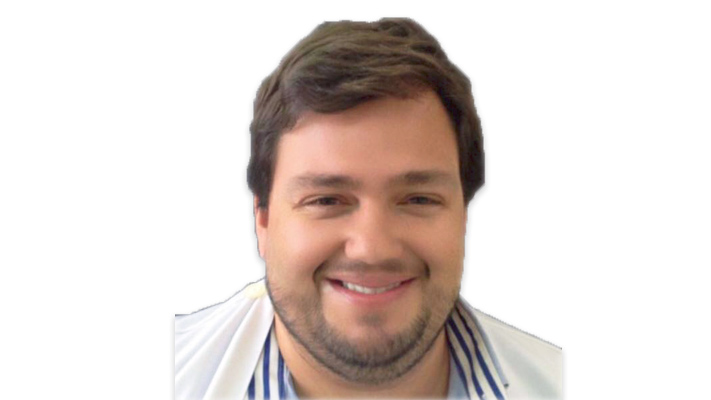
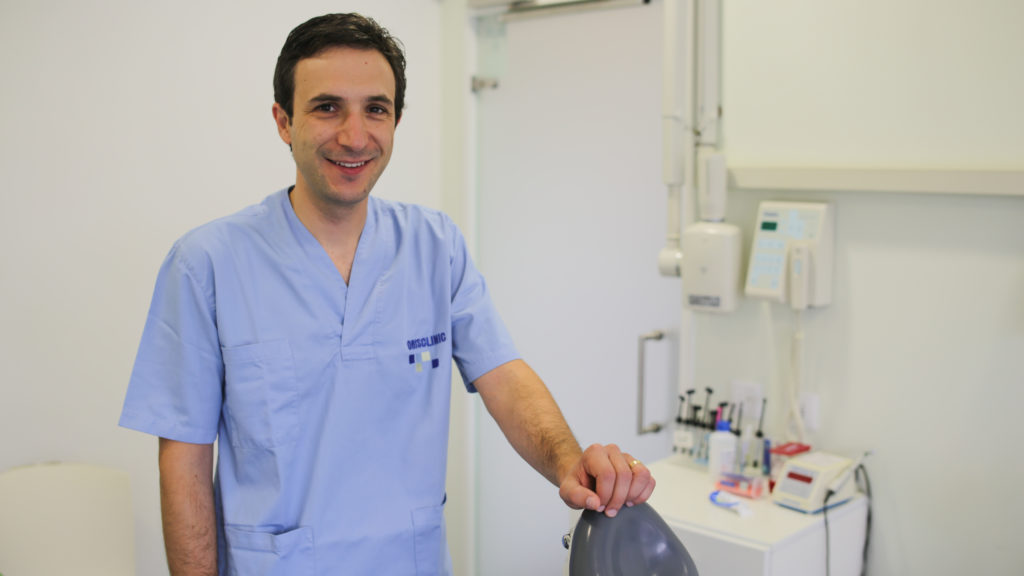
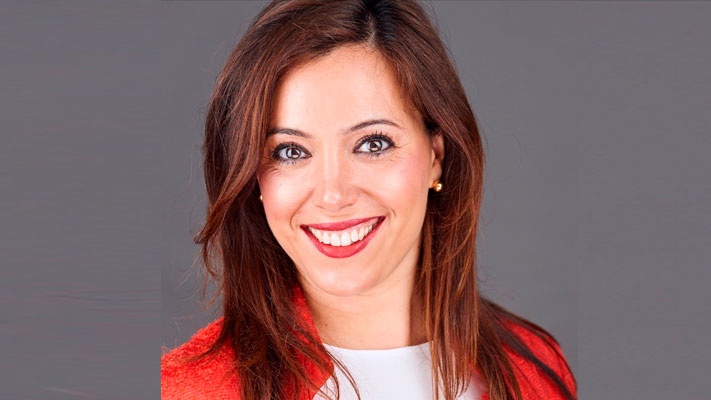
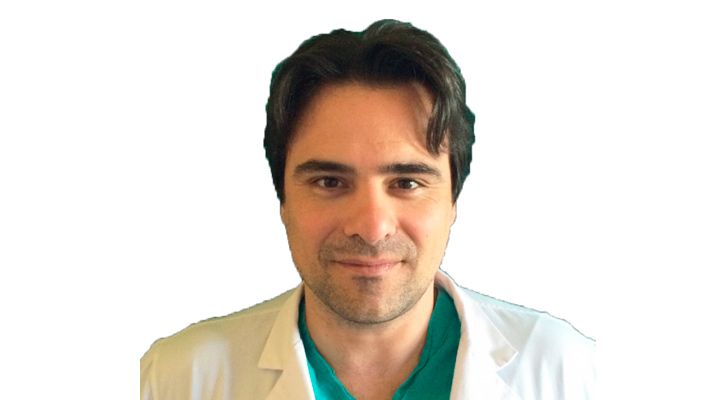
Training Team

Physiotherapist
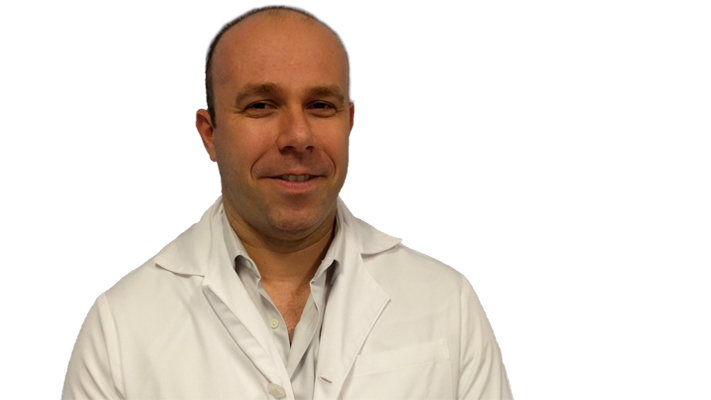
Dr. Tiago Oliveira
Dentist Doctor
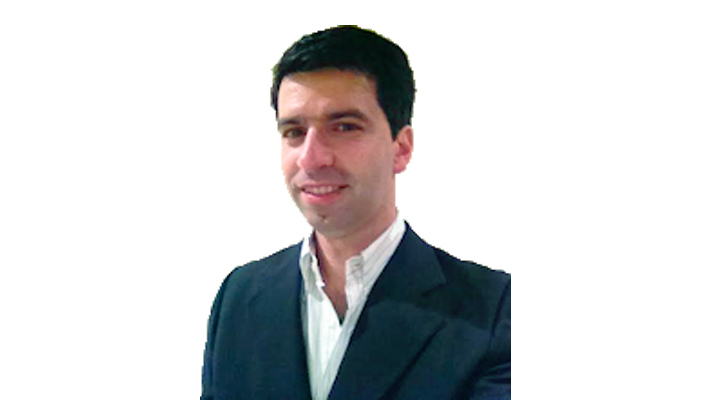
Prof. Doutor Júlio Fonseca

Physiotherapist
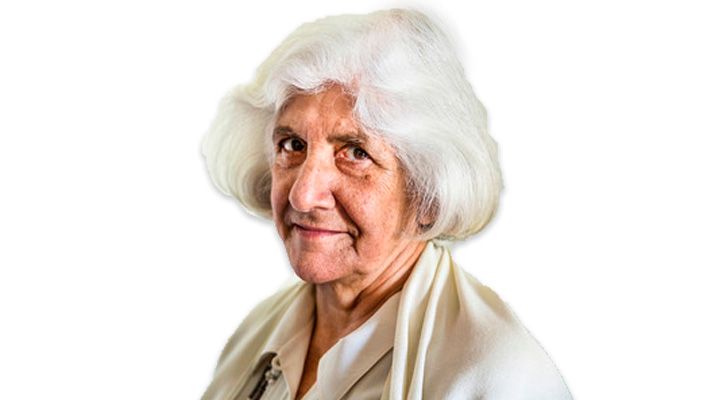
Doutora Paula Moleirinho Alves
Physiotherapist
Dr. Tiago Oliveira
- Degree in Physiotherapy in 2002 from the Coimbra School of Health Technology
- Physiotherapist at Figueira da Foz District Hospital, E.P.E.
- Physiotherapist for the national rowing team from 2005 to 2012
- Private practice in an office and dental practice
- Coordinator of the Modular Physiotherapy Course at DTM promoted by OrisEducare
- Postgraduate in Pathophysiology of the Cranio-Mandibular, Cranio-Cervical and Orofacial Musculoskeletal System, with Prof. Mariano Rocabado
- President of the General Assembly and Founding Member of the Portuguese Society of Temporomandibular Disorders and Orofacial Pain.
Dentist Doctor
Prof. Doutor Júlio Fonseca
– Dentist, Licensed in 2004 by the Department of Dental Medicine, Stomatology and Maxillofacial Surgery of the Faculty of Medicine of the University of Coimbra (FMUC).
– Postgraduate in Prosthetic Oral Rehabilitation from the Department of Dental Medicine, Stomatology and Maxillofacial Surgery of the Faculty of Medicine of the University of Coimbra.
– Master in Experimental Pathology from FMUC with a thesis in the area of Bruxism.
– PhD in Health Sciences from the Faculty of Medicine of the University of Coimbra.
– Guest Assistant of the Disciplines of Dental Anatomy, Physiology of the Stomatognathic Apparatus and Occlusal Rehabilitation of the Integrated Master's Degree in Dental Medicine at DEMDCMF at FMUC, until 2015.
– President of the Portuguese Society of Temporomandibular Disorders and Orofacial Pain (SPDOF).
– Vice-President of the Sleep Section of the Portuguese Society of Temporomandibular Disorders and Orofacial Pain (SPDOF).
– Author and Co-Author of several scientific articles/works published in national and international magazines/congresses.
– Lecturer and Course Teacher in the areas of Prosthodontics, Orofacial Pain and Temporomandibular Disorders.
– Responsible for the Orofacial Pain and Temporomandibular Disorder consultation at Orisclinic
Physiotherapist
Doutora Paula Moleirinho Alves
- PhD in Human Motricity, specializing in Motor Behavior
- Expert in Physiotherapy
- Master in Neurological Rehabilitation – specialty for physiotherapists from the Catholic University of Portugal/ESSA
- Postgraduate in Occlusion, Temporomandibular Disorders and Orofacial Pain from ECDS and Faculdade Mater Dei
- Postgraduate in PhysioCervico-Cranio-Mandibular therapy by Andrés-Bello University and CEDIME
- Private practice in Orofacial Pain and DTM since 2009
- Teacher at Egas Moniz Higher School of Health since 2007
- Physiotherapist at Hospital Curry Cabral between 2003-2010
- Graduated in Physiotherapy from the Escola Superior de Tecnologias e Saúde de Lisboa