Mini-Course on Orofacial Pain, TMD, and Bruxism: 3 Days in Madeira for Dentists and Physiotherapists

Temporomandibular disorders (TMD) as a clinical diagnosis have more than 80 years of history. From the first moment this set of dysfunctions began to be studied, the intervention of different health professionals was assumed to be imperative for their treatment. According to the guidelines of recognized international bodies such as the American Academy of Orofacial Pain (AAOP) and the International Association for the Study of Pain (IASP), it is obvious that the first line of action is based on conservative treatments, including physiotherapy, occlusal devices and physical self-regulation. Thus, teams made up of physiotherapists and dentists are responsible for a large part of the treatment of patients with Temporomandibular Dysfunction.


Temporomandibular disorders (TMD) are the most frequent cause of non-dental pain in the orofacial region, and their management requires an understanding of their etiology and the establishment of a systematic process for differential diagnosis. The diagnosis and treatment of orofacial pain and temporomandibular disorders (TMD) are complex due to the high density of anatomical structures in the area, the mechanisms of referred pain, and the significant psychological and emotional meaning attributed to the face and oral cavity. The complexity of head and neck anatomy and the psychogenic mechanisms involved in pain often require a multidisciplinary team approach.


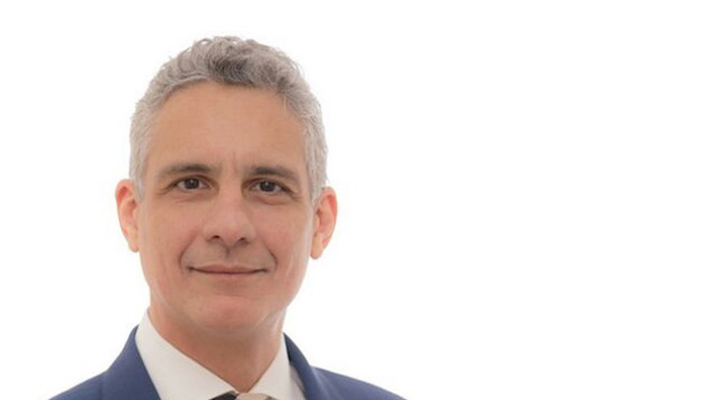
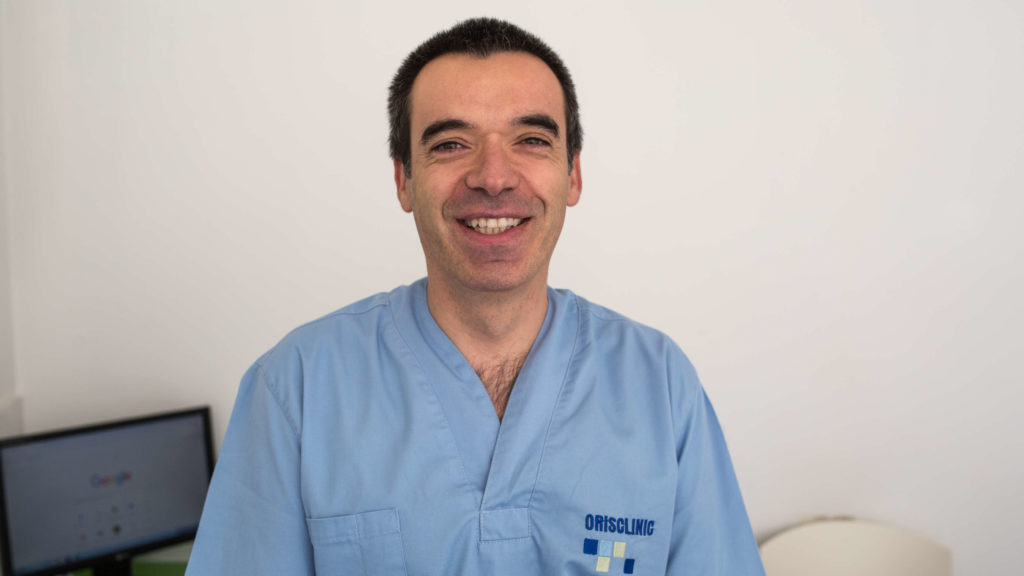
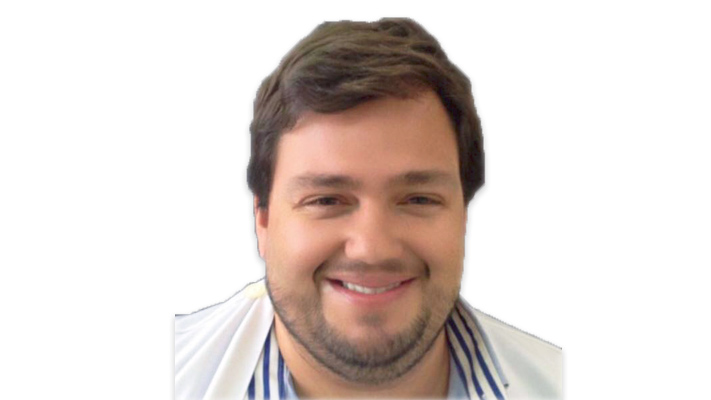
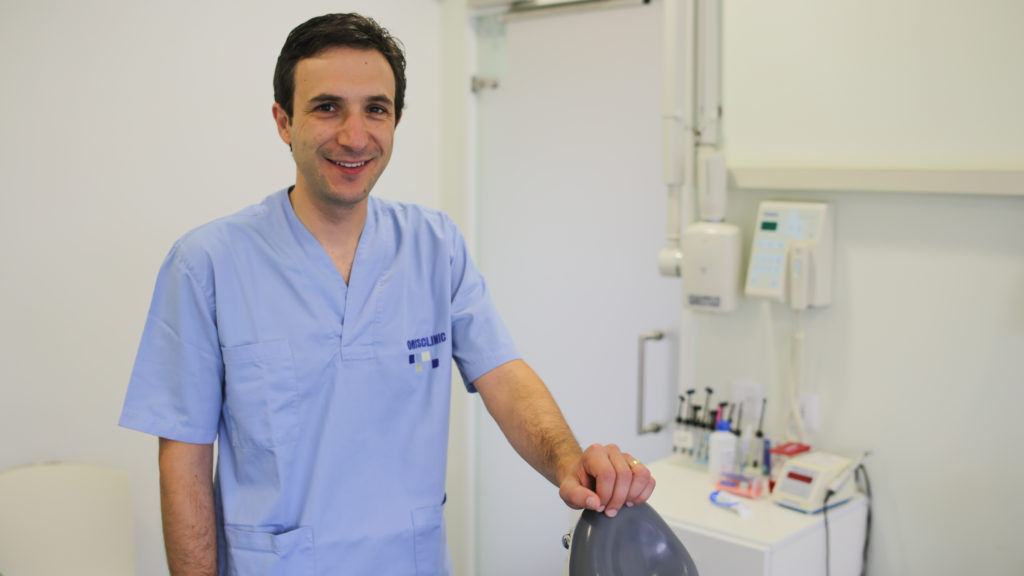
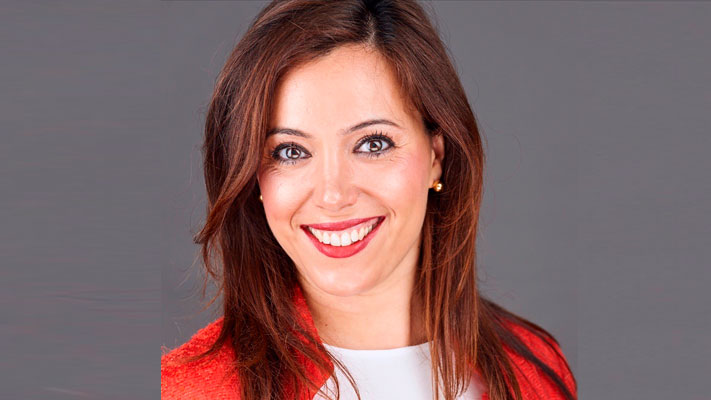
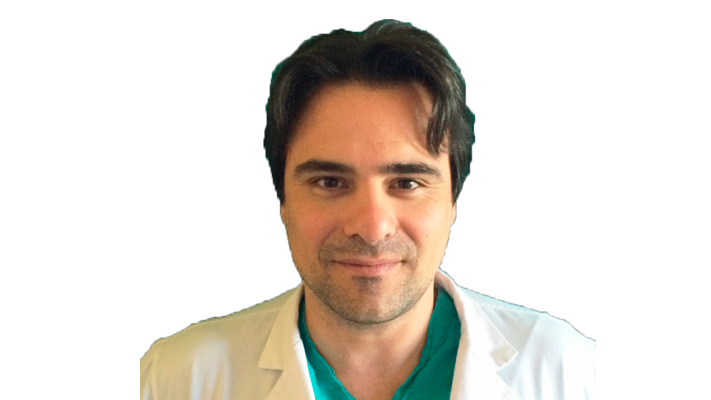
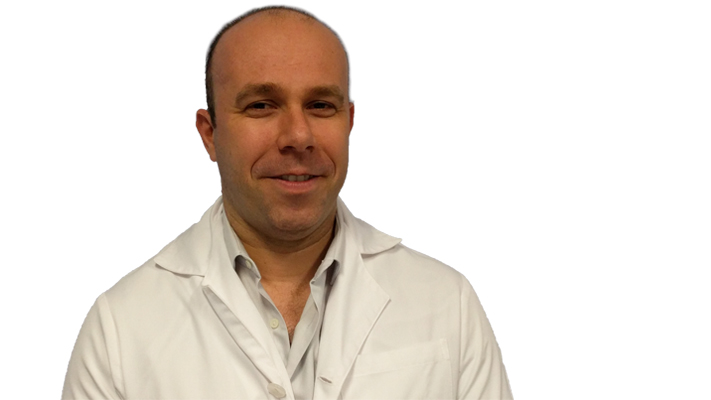
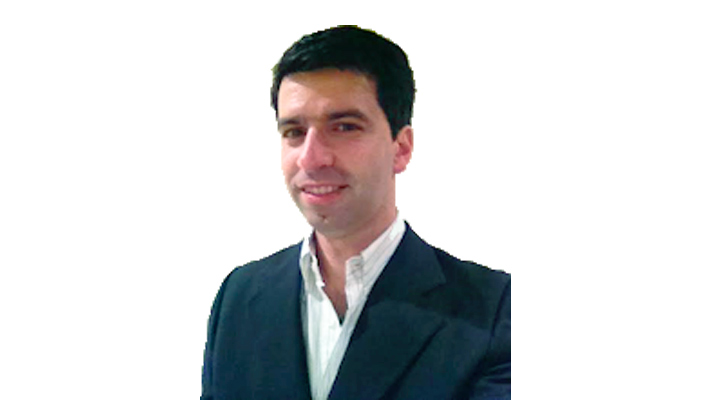
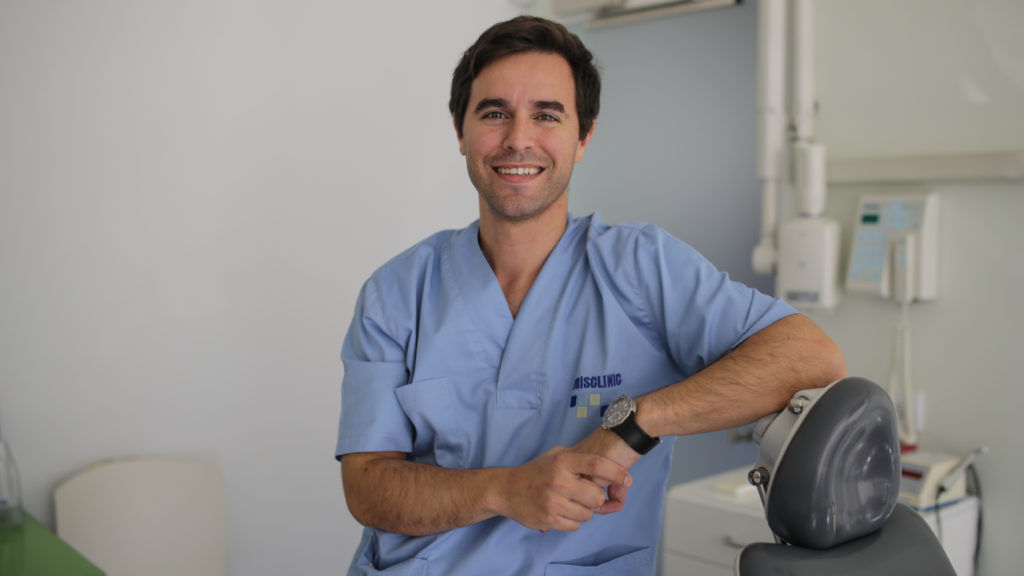
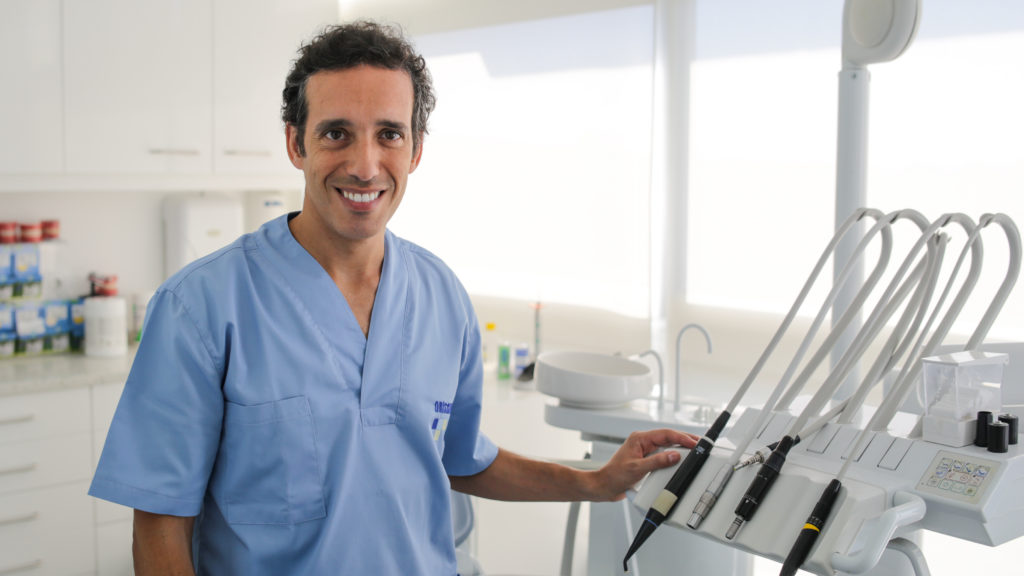
In this course, the teaching staff will include both a Dentist and a Physiotherapist, providing students with the opportunity to learn how to master the assessment and treatment of these pathologies, as well as to understand the collaborative work between the Dentist and the Physiotherapist and the most appropriate methodology for interdisciplinary teamwork.


The course will last three days. The first day (with dentists and physiotherapists together) will focus on fundamental theoretical concepts. Days two and three will be specifically directed toward Dentists and Physiotherapists individually, and will include both theoretical and practical content.

PROGRAM


DAY 1 – DENTISTS AND PHYSIOTHERAPISTS

  • Introduction to the Study of Orofacial Pain, Temporomandibular Disorders, and Bruxism 
  •  TMD: History, Etiology, Epidemiology 
  • Anatomy of the temporomandibular joint. 
  • Biomechanics of the temporomandibular joint. 
  • Classification of Temporomandibular Dysfunctions: types and different classifications. 
  • Signs and symptoms of stomatognathic system dysfunctions.
  • Diagnosis and Physical Examination (Overview)
  • Auxiliary diagnostic tests: types, characteristics, utilities. 
  • Bruxism: Definition, Epidemiology, Etiology, Types of Bruxism, Signs and Symptoms, Diagnosis 
  • Sleep and Pain, OSA and TMD, Bruxism and TMD
  • Treatment of Temporomandibular Dysfunctions and Orofacial Pain: from conservative to surgical treatment.  
  • The Occlusal Stabilization Gutter and the Anterior Repositioning Gutter.
  • New Technologies, Gadgets and "Alternative Therapies" in Occlusion: a critical approach.

DAY 2 – DENTISTS

  • History of Occlusion Studies; Interactions in Prosthetic and Occlusal Rehabilitation
  • Orofacial Pain Mechanisms, Pain Neuroanatomy; Referred Pain
  • Clinical History of the Dysfunctional Patient: Anamnesis, Physical Examination (Muscular and Articular), and Complementary Diagnostic Tests
  • Main Subtypes of Non-Odontogenic Orofacial Pain
  • Distúrbios articulares e musculares: protocolos de abordagem.
  • Bruxismo: definição, epidemiologia, etiologia e abordagem.
  • Multidisciplinary treatment: dentist, orthodontist, physiotherapist, CMF, neurology, etc.
  • Diferentes tipos de tratamento / abordagens.
  • Occlusal drips: types, indications and preparation techniques.
  • Fundamentals of Diagnosis and Planning in Occlusal, Orthodontic, and Prosthetic Rehabilitation
  • What Are the Main Risk Factors and Variables to Consider in Rehabilitative/Orthodontic Planning by the Dentist
  • Protocol for Managing Patients with Signs and Symptoms of TMD Before or During Occlusal Therapy or Prosthetic Rehabilitation
  • O conceito de oclusão ideal vs DTM vs objetivos do TO/Reabilitação Protética.
  • Concepts of Snoring and Obstructive Sleep Apnea (OSA)
  • Clinical Cases
  • Conclusions


DIA 2 – FISIOTERAPEUTAS

  • Exame subjectivo e objetivo.
  • Questionários e métodos de avaliação.
  • Especificidade do exame subjetivo em contexto de DTM e DOF.
  • Relevância da intervenção interdisciplinar também no contexto da avaliação.
  • Relação postura e DTM/DOF.
  • Relação crânio-cervico-mandibular e DTM.
  • Medição de amplitudes articulares.
  • Exame específico da ATM.
  • Radiological examinations relevant to the physiotherapist's functional diagnosis.
  •  

DIA 3 – MÉDICOS DENTISTAS

Demonstrative and practical component:

  • História Clínica do paciente com Dor Orofacial e DTM.
  • Exame Físico e Palpação do Paciente.
  • Palpação articular e muscular para diagnóstico diferencial.
  • Observação e ilustração dos diversos tipos de goteiras oclusais e Dispositivos de Avanço Mandibular (para SAOS).
  • Agulhamento/punção seca e Viscossuplementação.
  • Observação de exames complementares de diagnóstico.
  • Raciocínio Clínico para orientar o plano de tratamento.

DIA 3 – FISIOTERAPEUTAS

  • Métodos e técnicas de intervenção – estado da arte e evidência.
  • Tratamento dos distúrbios articulares – terapia manual e exercício terapêutico.
  • Tratamento dos distúrbios musculares – terapia manual e exercício terapêutico.
  • Programação de exercício domiciliário.
  • Educação e ensino ao paciente.
  • Fisioterapia em contexto de distúrbios do Sono.

Bibliografia:

Serão disponibilizados aos alunos:

  • Ficheiros Pdf das aulas teóricas.
  • Bibliografia/livros de referência.
  • Acesso a uma biblioteca on-line com artigos selecionados das revistas de maior impacto das temáticas abordadas.

Material needed for the course to be brought by the student: 

Material básico: bata, óculos de protecção, lápis, caneta, pasta e papel de registo.

Notes: 

Número mínimo de formandos/as para a realização do curso: 8 Fisioterapeutas e 8 Médicos Dentistas

A não frequência de um ou mais dias de formação, não dá direito a qualquer reembolso nem ao diploma final.

Registration closes 15 days before the course date.

If the minimum number of participants is not met, the date of the course may be changed.

  • 29, 30 e 31 de Outubro de 2026
  • 24 horas  (teóricas e teórico-práticas)
  • 9h00 – 13h00 | 14h30 – 18h30
    (Coffee-breaks incluídos; Almoços não incluídos)
  • ISAL – Funchal, Madeira
  • Physiotherapists and Dentists
  • Physiotherapists Total: €600 (VAT Exempt)
  • Dentists Total: €1400 (VAT Exempt)


  • Payment method:
  • Registration – €250 (secures your spot and is deducted from the final amount)


  • 926 964 301 (call to national mobile network)
  • oriseducare@orisclinic.com

Training Team

en_US